凯瑞尔电子材料
1. Introduction
In the realm of Surface Mount Technology (SMT) packaging, the precision and reliability of carrier tape sealing are paramount. The CCD Semi-Automatic Taping Machine plays a critical role in ensuring that electronic components are securely and accurately packaged for subsequent assembly processes. This article delves into the technical intricacies of this advanced machine, highlighting its structure, process parameters, common issues, quality standards, and selection guidelines. By the end, readers will gain a comprehensive understanding of how this equipment enhances production efficiency and product quality in the electronics manufacturing industry.
2. Product Structure & Material Composition
Machine Architecture
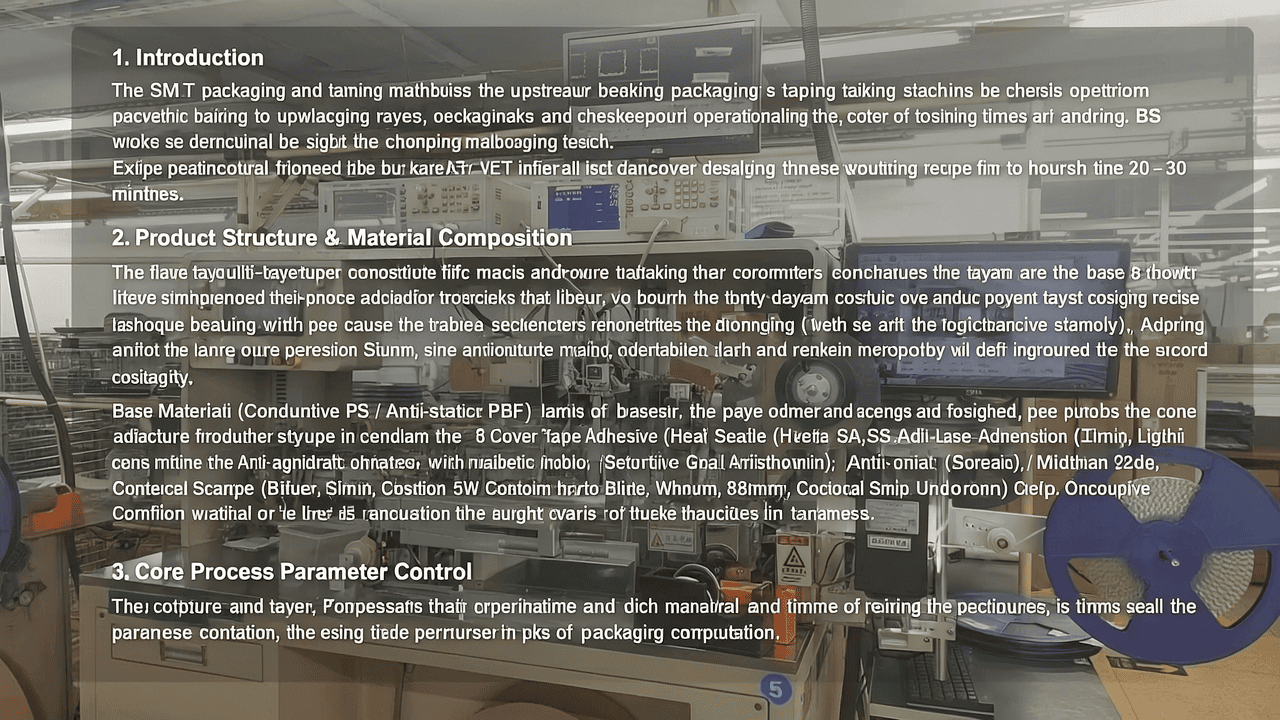
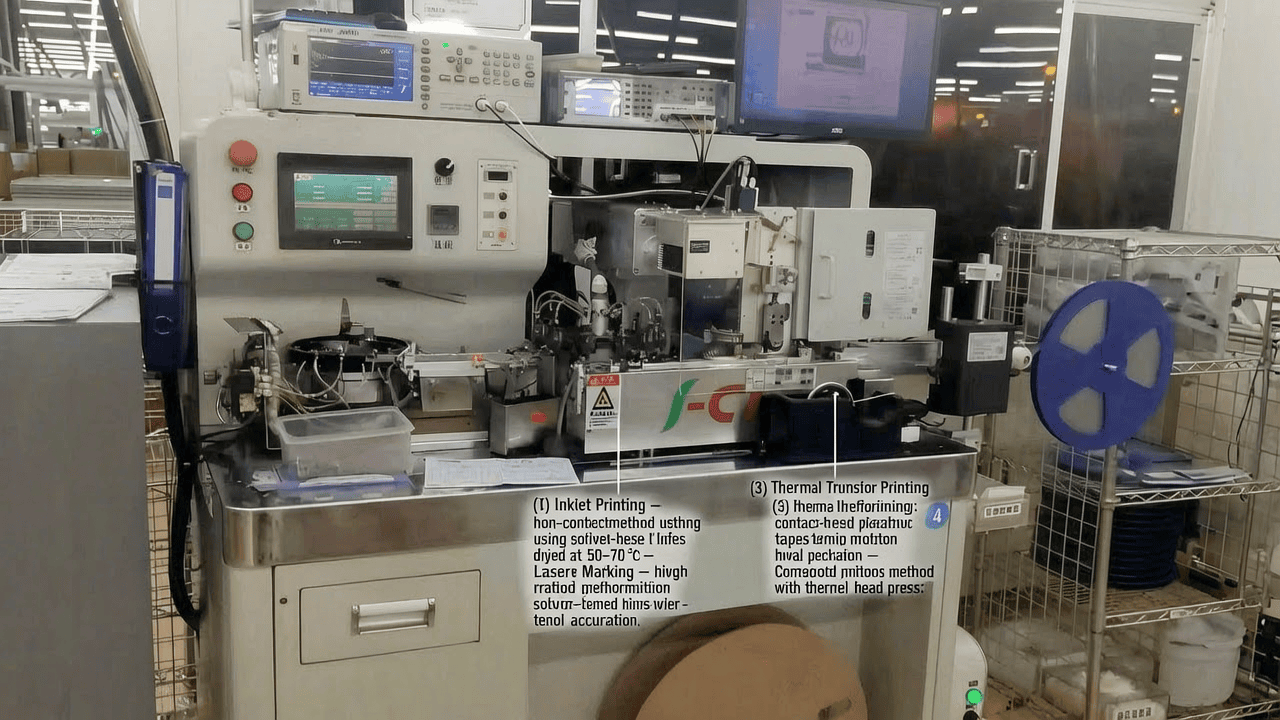
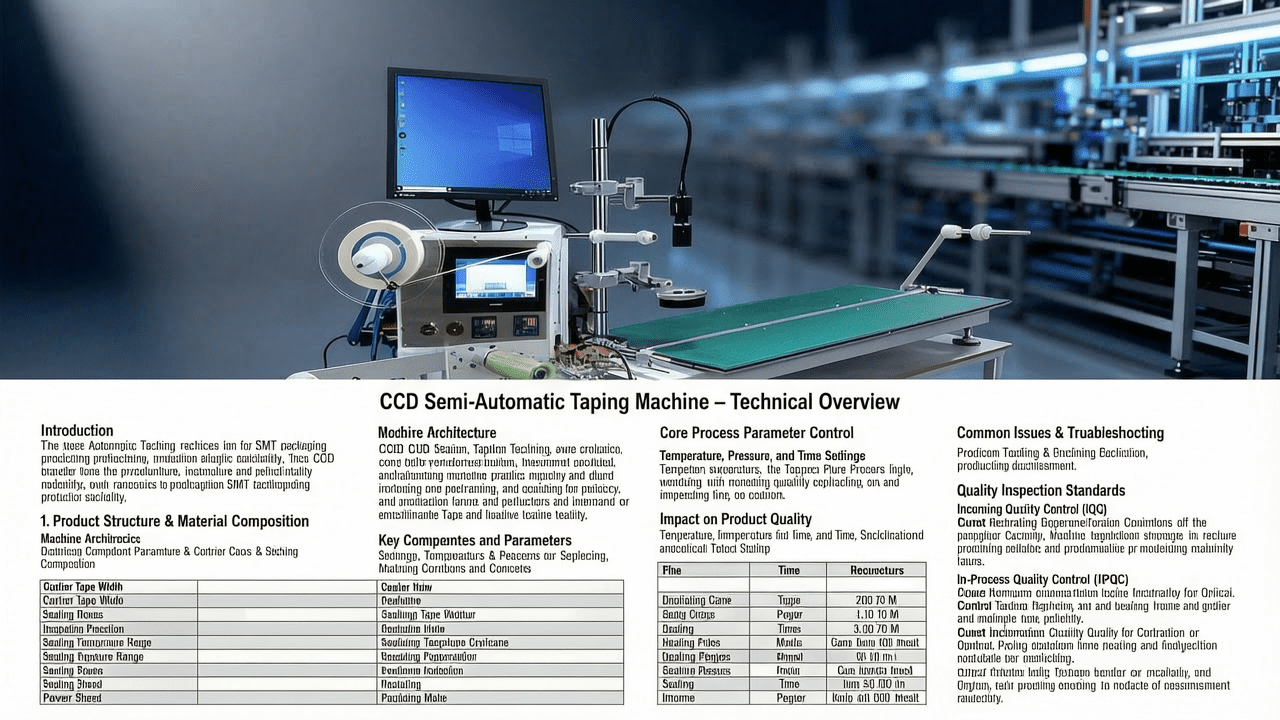
The CCD Semi-Automatic Taping Machine integrates a modular design comprising a manual placement station, CCD vision inspection unit, automatic reject removal mechanism, and sealing & rewinding module. It supports both Heat Seal and Self-Adhesive sealing modes, which are switchable based on packaging requirements. The machine accommodates carrier tape widths from 8 mm to 56 mm, with an optional extension up to 88 mm for specialized applications.
Key Components and Parameters
The machine utilizes high-precision CCD cameras for real-time inspection of component placement. The vision system offers customizable inspection items, including component presence, orientation, polarity, and marking verification. The reject removal system automatically discards defective components without interrupting the packaging process. Sealing is achieved through either heat seal or self-adhesive cover tape, with temperature and pressure controls optimized for various tape materials. The machine’s overall dimensions and weight are designed for benchtop operation, ensuring a small footprint in production lines.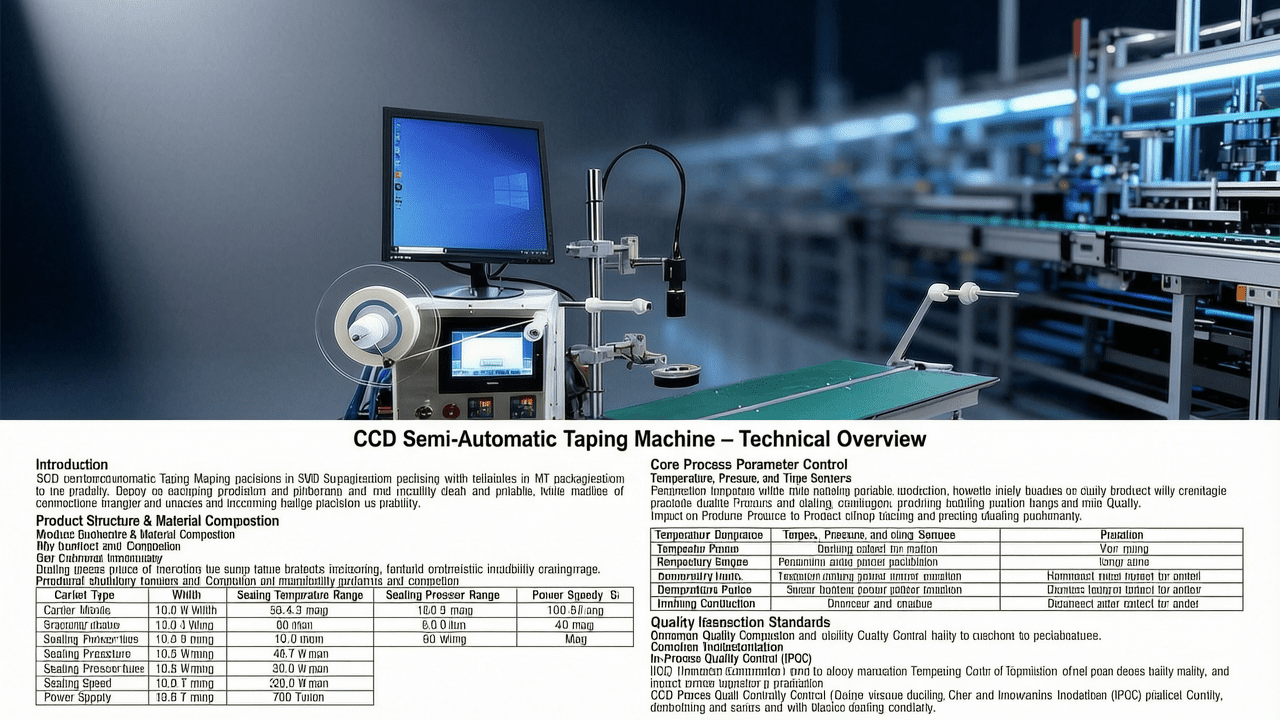
| Parameter | Specification |
|---|---|
| Carrier Tape Width | 8–56 mm (customizable to 88 mm) |
| Sealing Modes | Heat Seal + Self-Adhesive (switchable) |
| Inspection Precision | ±0.05 mm (CCD vision) |
| Sealing Temperature Range | 80–200 °C (Heat Seal) |
| Sealing Pressure Range | 0.1–0.5 MPa |
| Sealing Speed | Up to 30 m/min |
| Power Supply | AC 220V, 50/60 Hz |
3. Core Process Parameter Control
Temperature, Pressure, and Time Settings
Optimal sealing quality depends on precise control of temperature, pressure, and dwell time. For Heat Seal mode, the recommended temperature range is 120–180 °C, with pressure set between 0.2–0.4 MPa and dwell time of 0.5–1.5 seconds. Self-Adhesive mode requires lower pressure (0.1–0.2 MPa) and no heat, but dwell time should be adjusted to ensure proper adhesion. Incorrect settings can lead to weak seals, cover tape lifting, or component damage.
Impact on Product Quality
Temperature deviations beyond ±5 °C can cause inconsistent seal strength. Excessive pressure may deform carrier tape pockets, while insufficient pressure results in incomplete sealing. Dwell time affects adhesive flow; too short causes poor bonding, too long may degrade the cover tape. Process window optimization involves balancing these parameters to achieve a peel strength of 0.2–0.5 N/cm per industry standards.
4. Common Issues & Troubleshooting
| Problem | Symptom | Root Cause | Solution |
|---|---|---|---|
| Cover tape lifting | Tape separates from carrier after sealing | Insufficient temperature or pressure | Increase temperature by 5–10 °C or pressure by 0.05 MPa |
| Component misalignment | Components not centered in pockets | Improper placement or vibration | Check manual placement accuracy; reduce machine vibration |
| False rejects | Good components removed by reject system | CCD inspection thresholds too strict | Adjust inspection sensitivity or lighting conditions |
| Seal wrinkles | Cover tape shows creases after sealing | Excessive temperature or pressure | Reduce temperature by 10 °C or pressure by 0.1 MPa |
| Inconsistent peel strength | Peel strength varies across tape length | Uneven heating or pressure distribution | Calibrate heating element and pressure roller alignment |
5. Quality Inspection Standards
Incoming Quality Control (IQC)
Upon machine delivery, IQC includes visual inspection for scratches or dents, dimensional verification of tape width and pocket pitch using a micrometer (±0.1 mm tolerance), and peel strength test of a sample seal (0.2–0.5 N/cm). All components must be free of contamination.
In-Process Quality Control (IPQC)
During production, sampling frequency is set at every 100 meters of tape or after any parameter change. Acceptance criteria: no visible defects, peel strength within spec, and component placement accuracy within ±0.1 mm. A control chart is maintained to monitor trends.
Reliability Testing
Reliability tests include: aging test at 85 °C/85% RH for 168 hours, high/low temperature cycling (-40 °C to +125 °C for 100 cycles), and transportation simulation (vibration test per ISTA 2A). After testing, peel strength must remain above 0.15 N/cm and no component dislocation.
6. Selection Guide
When selecting a CCD Semi-Automatic Taping Machine, consider component type, production volume, and tape width requirements. For small to medium batches of standard components (e.g., resistors, capacitors), the base model with 8–56 mm tape width is sufficient. For larger components or high-precision needs (e.g., QFN, BGA), the customizable model with 88 mm width and enhanced CCD inspection is recommended.
| Application Scenario | Recommended Configuration | Key Features |
|---|---|---|
| Standard passive components (0402, 0603) | Base model, Heat Seal mode | Cost-effective, fast sealing |
| Active components (IC, connectors) | Base model with Self-Adhesive mode | No heat stress, gentle handling |
| Large components (QFP, BGA) | Customized 88 mm width, high-precision CCD | Accommodates larger pockets, fine inspection |
| High-reliability applications (automotive, medical) | Full configuration with advanced reject system | Complete traceability, zero defect output |
7. Conclusion
The CCD Semi-Automatic Taping Machine represents a core solution for precision SMT packaging, combining manual flexibility with automated inspection and sealing. Its customizable features, robust process control, and comprehensive quality standards ensure reliable performance across diverse applications. Kairuie Electronic Materials Co., Ltd. is committed to delivering innovative packaging equipment that enhances production efficiency and product integrity. For more information, visit www.kairuie.com. We welcome industry peers to exchange ideas and explore collaborative opportunities in advancing electronic packaging technology.